|
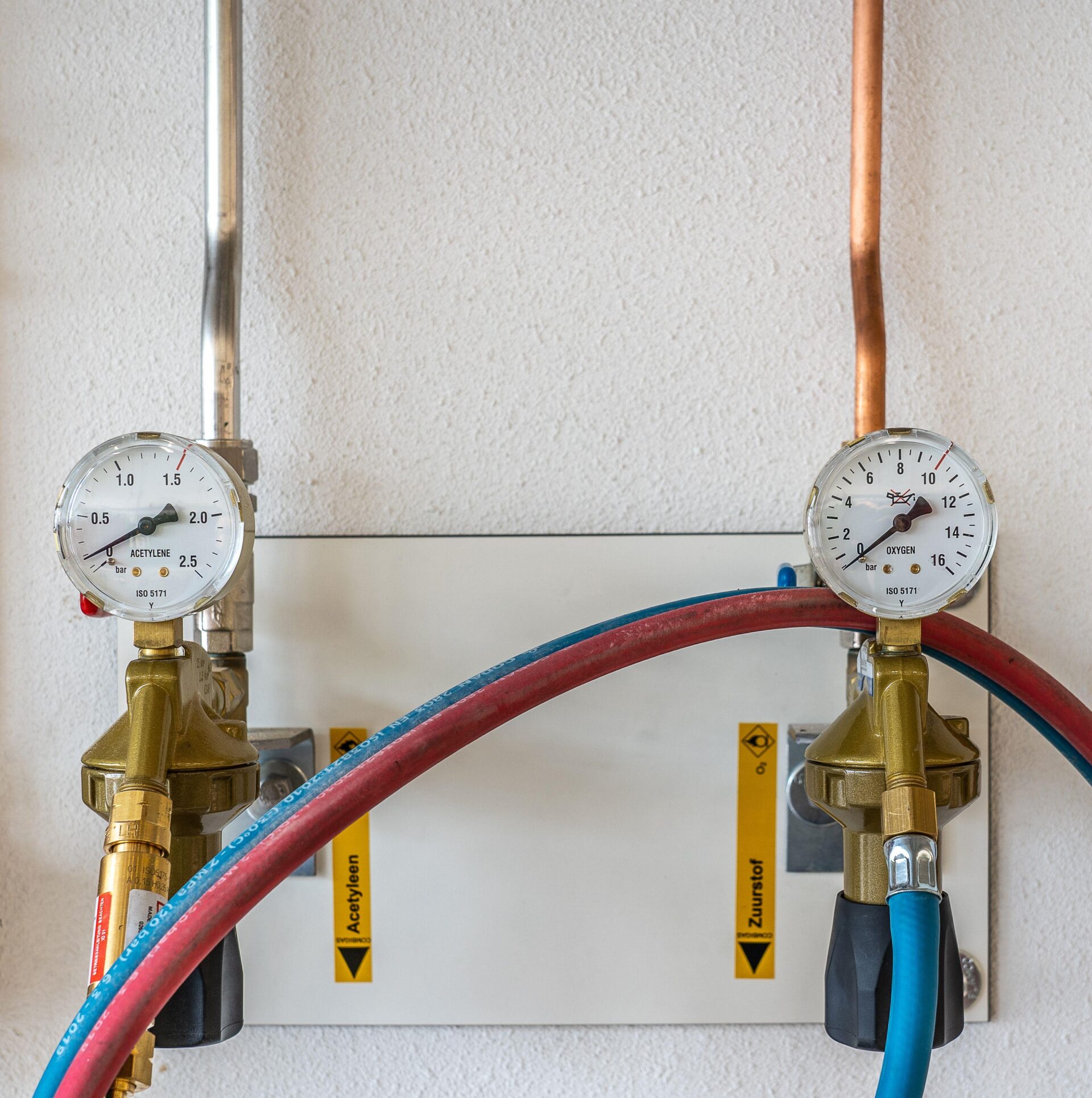
Every industrial facility deals with hazards you can’t always see coming, and airborne gases are near the top of that list. Whether it’s a leak in a storage tank, a buildup in a confined space, or a slow release from aging equipment, the danger often builds long before anyone notices a smell or a symptom. That’s exactly why gas detection has become a non-negotiable part of workplace safety planning rather than an optional add-on. Businesses across manufacturing, warehousing, and utilities increasingly treat monitoring equipment the same way they treat fire alarms: essential infrastructure, not a luxury. The stakes are high, since a single undetected leak can lead to evacuations, lost productivity, or worse. Investing early in the right sensors and training gives teams a real chance to respond before a situation escalates, rather than reacting after damage is already done. What Modern Detection Equipment Can Actually PreventModern equipment does more than sound an alarm. Today’s portable and fixed monitors track multiple gases simultaneously, log exposure data for compliance records, and send real-time alerts to supervisors even when workers are spread across a large site. That combination of speed and accuracy is what separates dependable gas detection from a checkbox exercise. Teams like WatchGas build devices specifically to handle the rugged, unpredictable conditions found on industrial floors, from extreme temperatures to dusty, high-vibration environments. For a business owner or safety manager, that reliability translates directly into fewer surprises: fewer near misses, fewer regulatory headaches, and a workforce that trusts the systems protecting them. The right setup doesn’t just flag a problem, it gives people enough warning to act on it. Build Your Gas Detection Plan TodayThere’s rarely a better time to review your current setup than right now, before an incident forces the conversation. Start by mapping out where airborne risks are most likely on your site, from storage areas to confined workspaces. From there, prioritize equipment that fits your specific gases and conditions rather than a one-size-fits-all solution. A solid gas detection plan should also include regular calibration and a clear escalation process so alerts actually lead to action. Loop in your safety officer or equipment supplier early, since small adjustments now can prevent costly disruptions later. Taking this step today puts your entire team in a stronger, safer position tomorrow. |
| https://watchgasusa.com/ |