|
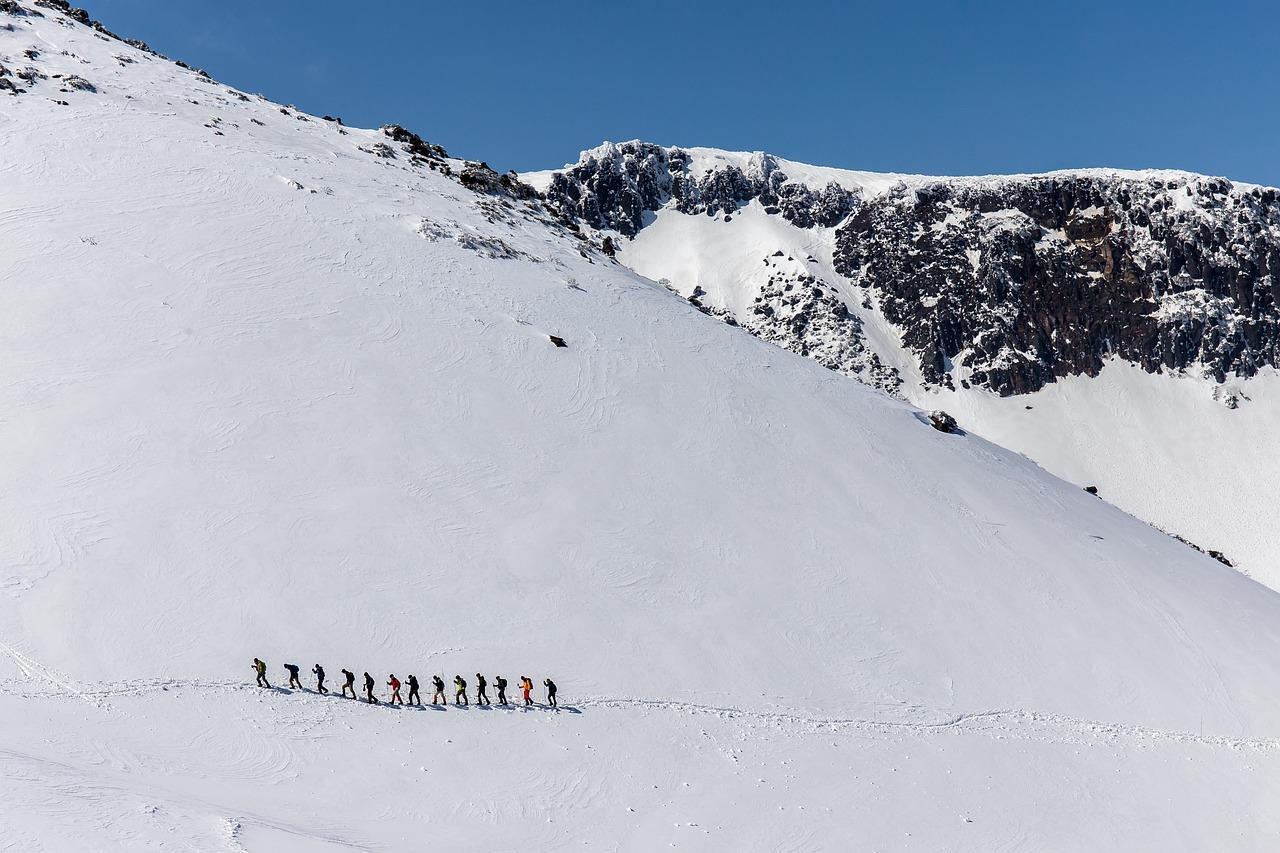
Cold and heat both reduce performance. In cold conditions, hands lose dexterity and your body burns energy just to stay warm. In hot conditions, dehydration and fatigue build faster and concentration drops. Thermoregulating clothing helps you stay closer to a stable, comfortable temperature so you can focus on the activity instead of the weather. This guide explains what thermoregulating clothing does, where it helps most, and what to check before buying. What thermoregulating clothing actually doesMost thermoregulating garments use one or more of these approaches: – Insulation that traps warm air without feeling bulky – Breathable fabrics that release excess heat – Moisture wicking layers that move sweat away from the skin – Active systems that add warmth or reduce heat stress, depending on the product The goal is not to make you feel hot. It is to keep you dry and steady. Wet fabric against the skin is a common reason people feel cold after you stop moving, especially in wind. Wintersports and stop start temperature swingsSkiing and snowboarding often involve bursts of effort followed by periods of sitting still. You might work hard on a run, then cool down quickly on a chairlift or while waiting in a queue. Thermoregulating clothing can help by keeping warmth more consistent and reducing the need for thick layers. A simple strategy is a flexible layering system. Start with a base layer that manages sweat, add an insulating mid layer, and finish with an outer layer that blocks wind and snow. If you get cold easily, heated items can be useful for hands, feet, or your core. Outdoor activities in mixed weatherHiking and long walks share one challenge: your output changes and the weather changes with it. A steep climb can make you sweat, while a shaded path can feel much colder. For these situations, look for clothing that is easy to adapt. Useful features include ventilation zips, quick drying materials, and insulation that still performs when conditions are damp. In warmer months, cooling focused clothing can also be relevant. People who work or exercise in direct sun often benefit from garments that help reduce heat build up. Outdoor work and everyday comfortFor people who work outside, comfort is closely linked to safety. Cold hands reduce grip, and overheating can lead to mistakes. When choosing heated or cooling garments, it helps to buy from a specialist that explains sizing, care, and intended use clearly. If you want to compare options and choose something that matches your routine, explore the range at bertschat and check which items are designed for active movement versus long periods of standing still. A quick checklist before you buyUse this checklist to narrow down the right choice: – Activity level and how often you stop moving – Typical conditions, including wind and damp – Fit that allows layering without restricting movement – Heat or cooling settings if the garment is powered – Expected runtime and how the power source is carried – Care instructions and durability for regular use Thermoregulating clothing is about staying in your comfort zone so you can enjoy the outdoors and finish the day with more energy. |